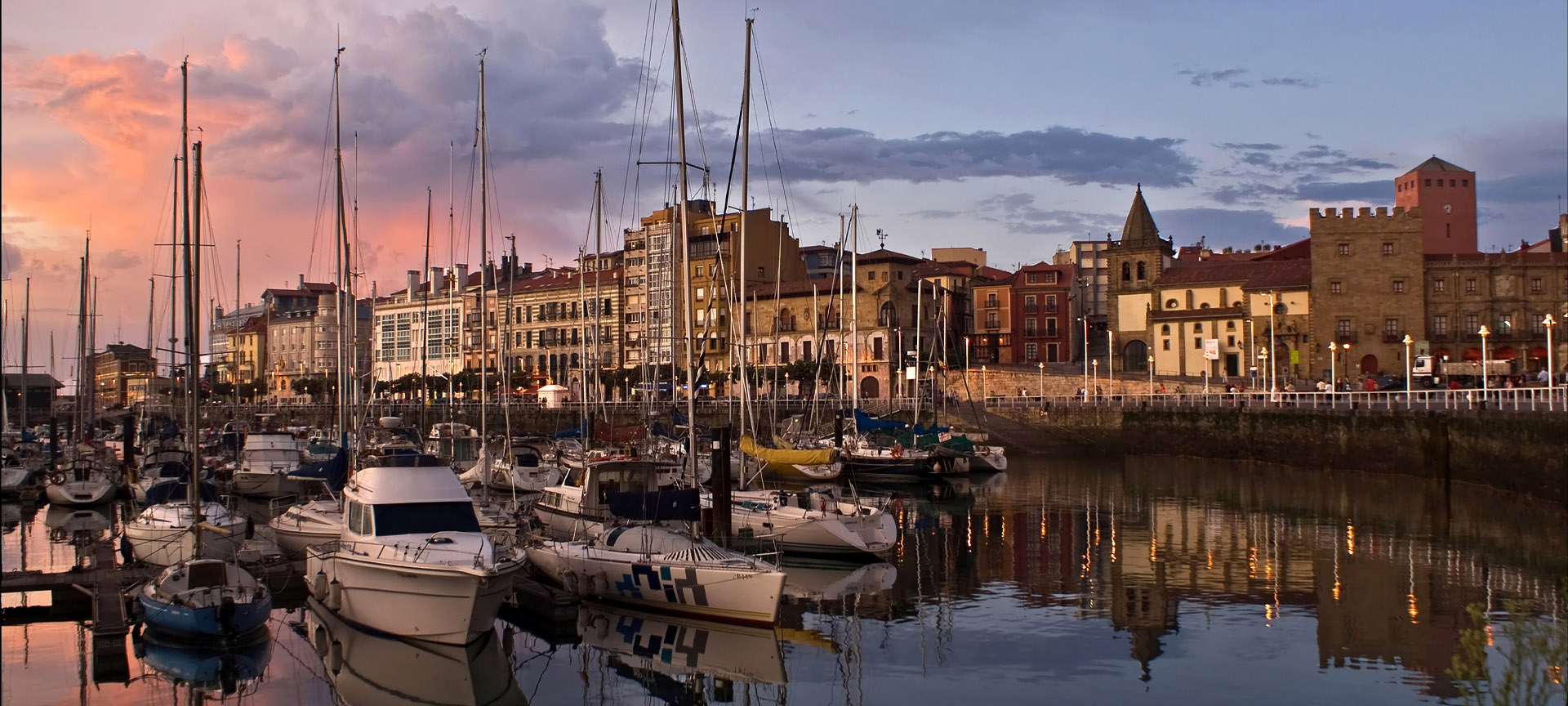
A bit of history...
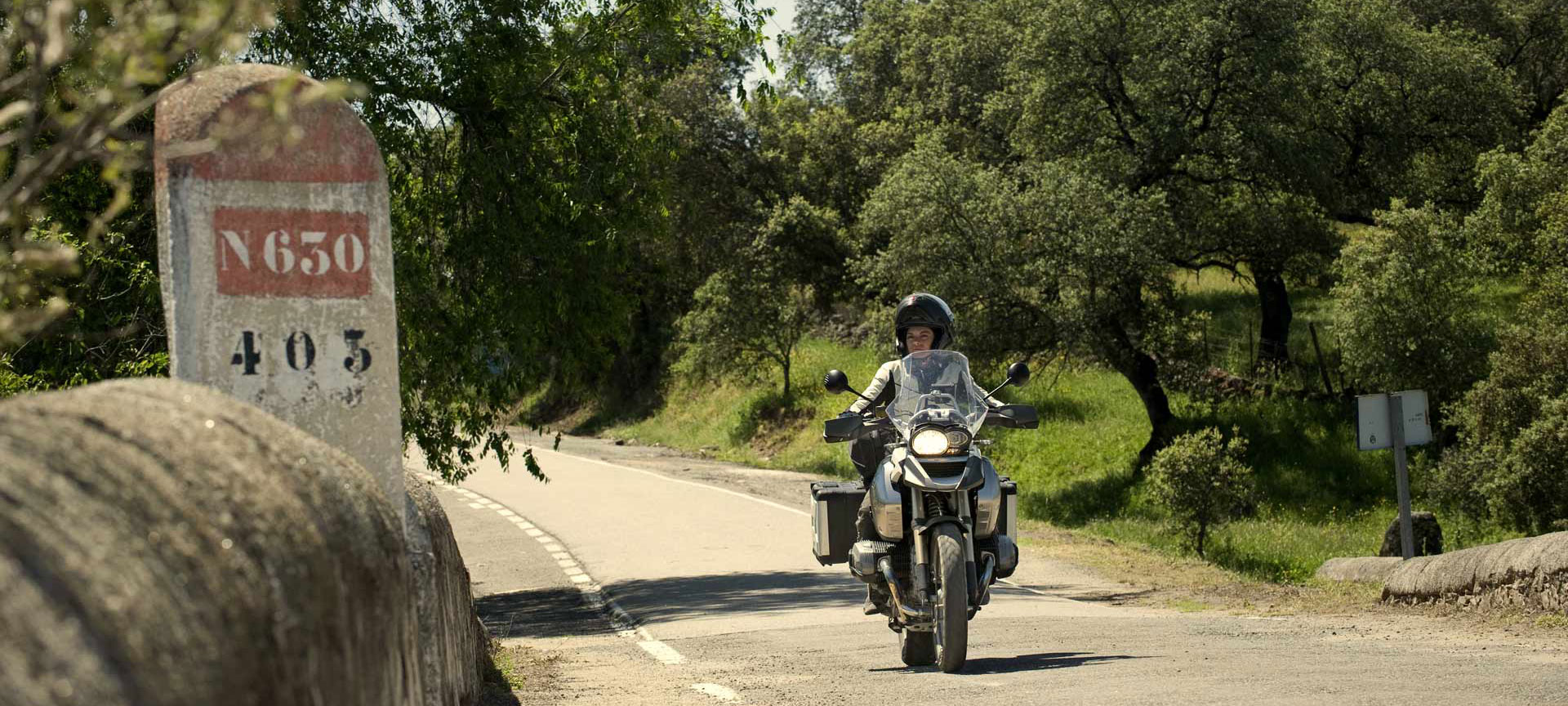
Journey: By car / Duration: A week, at least Journey: Bicycle / Duration: 49 stages (approx. 10–20 km) Journey: Walking / Duration: Approximately 32 stages
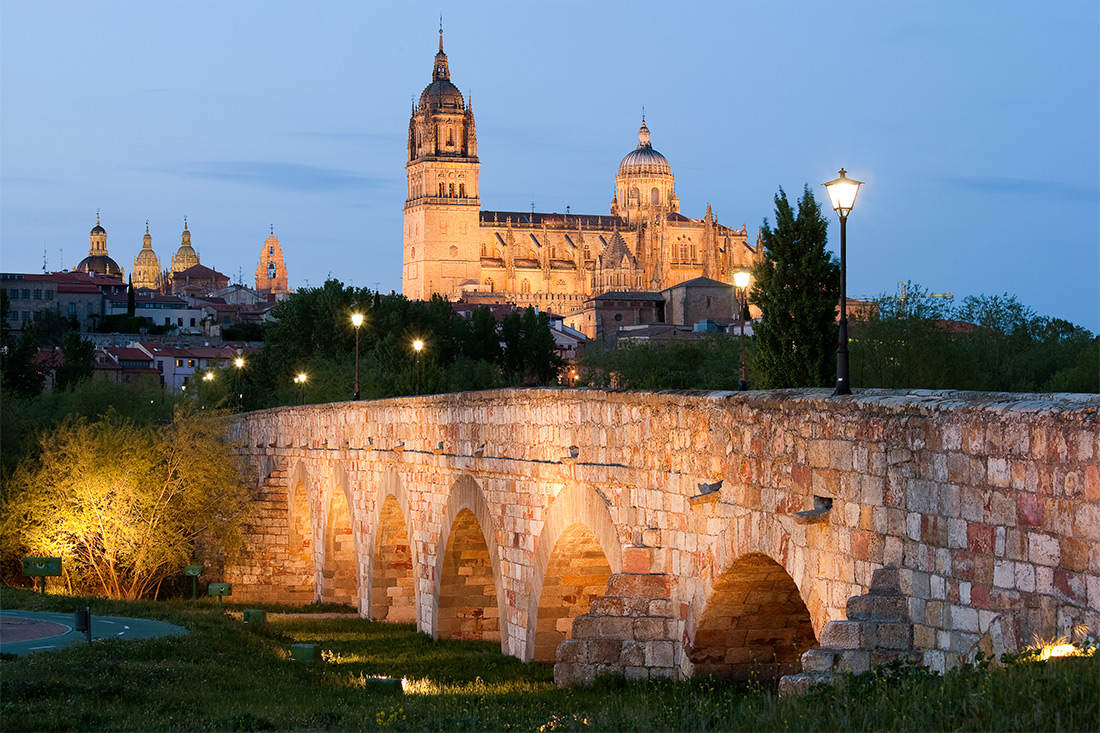
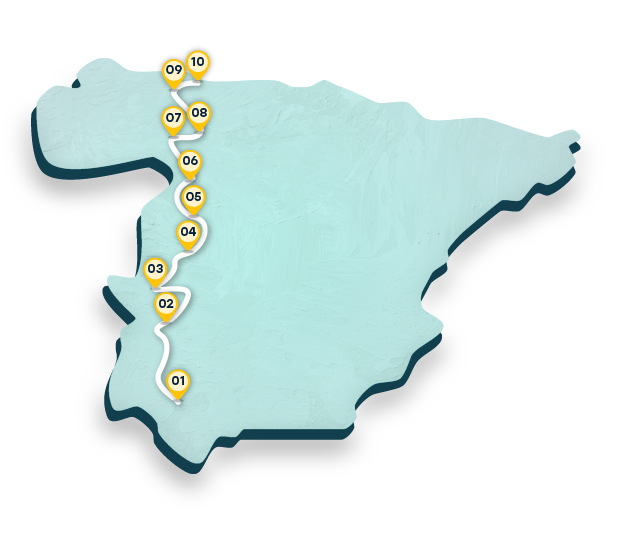
Since time immemorial, there has been a route winding its way through mountains, valleys and plains, linking the north and south of Spain; it was in the lower Guadalquivir valley that the first great Western civilisation flourished, under the legendary kingdom of Tartessos, towards the end of the Bronze Age.Owing to its vast mineral wealth, the area became highly significant as a producer of precious metals. When the Romans invaded the Iberian Peninsula in 218 BC, they attached great importance to roads in order to cover the entire territory; the Silver Route – a road linking Gijón with Seville via Astorga, León, Zamora, Salamanca and Mérida – was one of the most important.
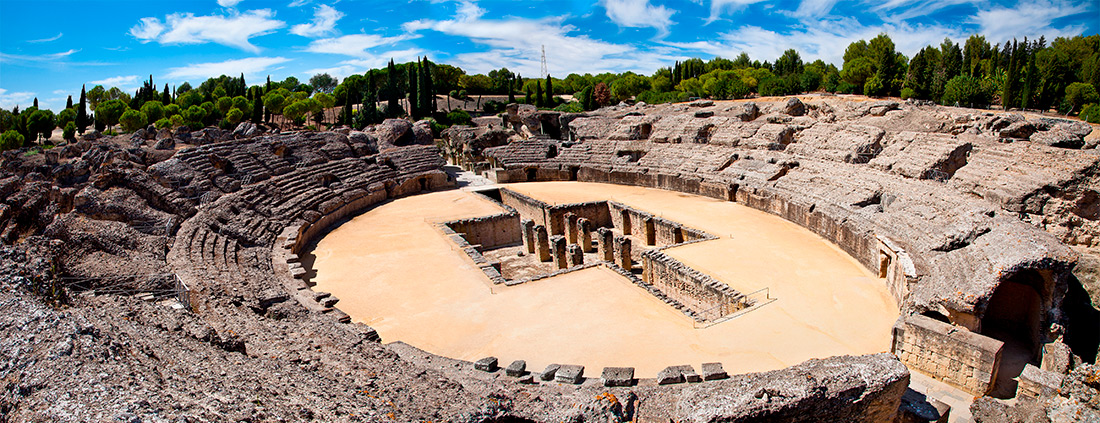
Exceptional cultural heritage
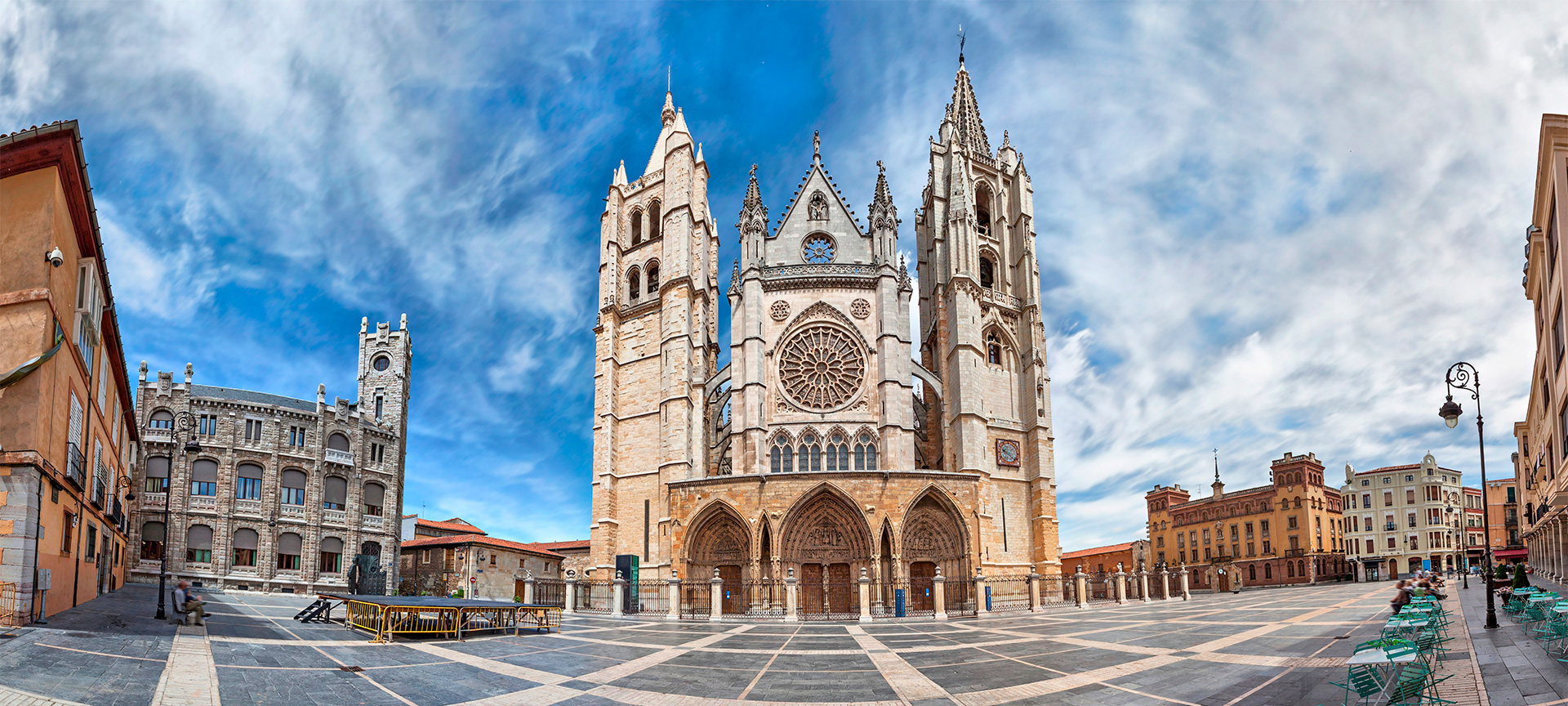
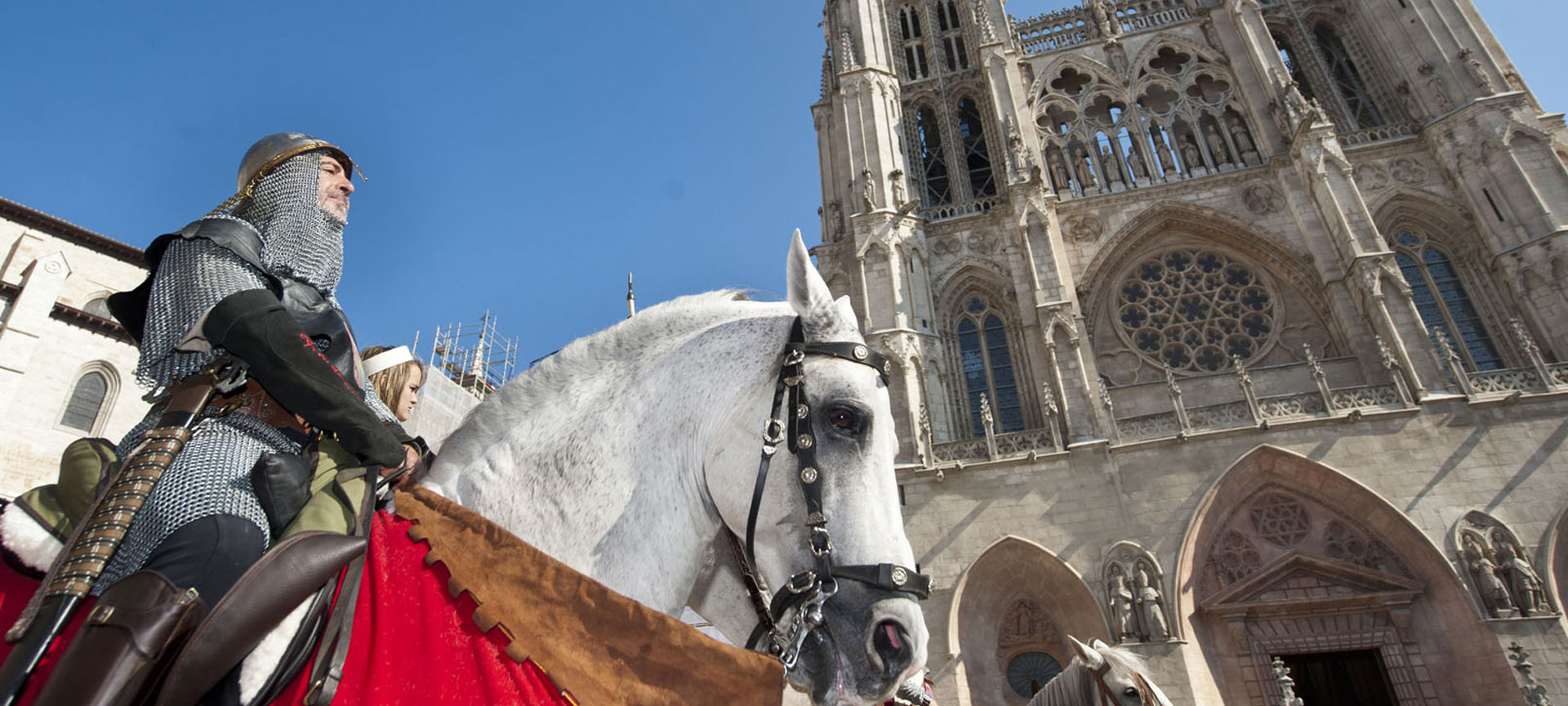
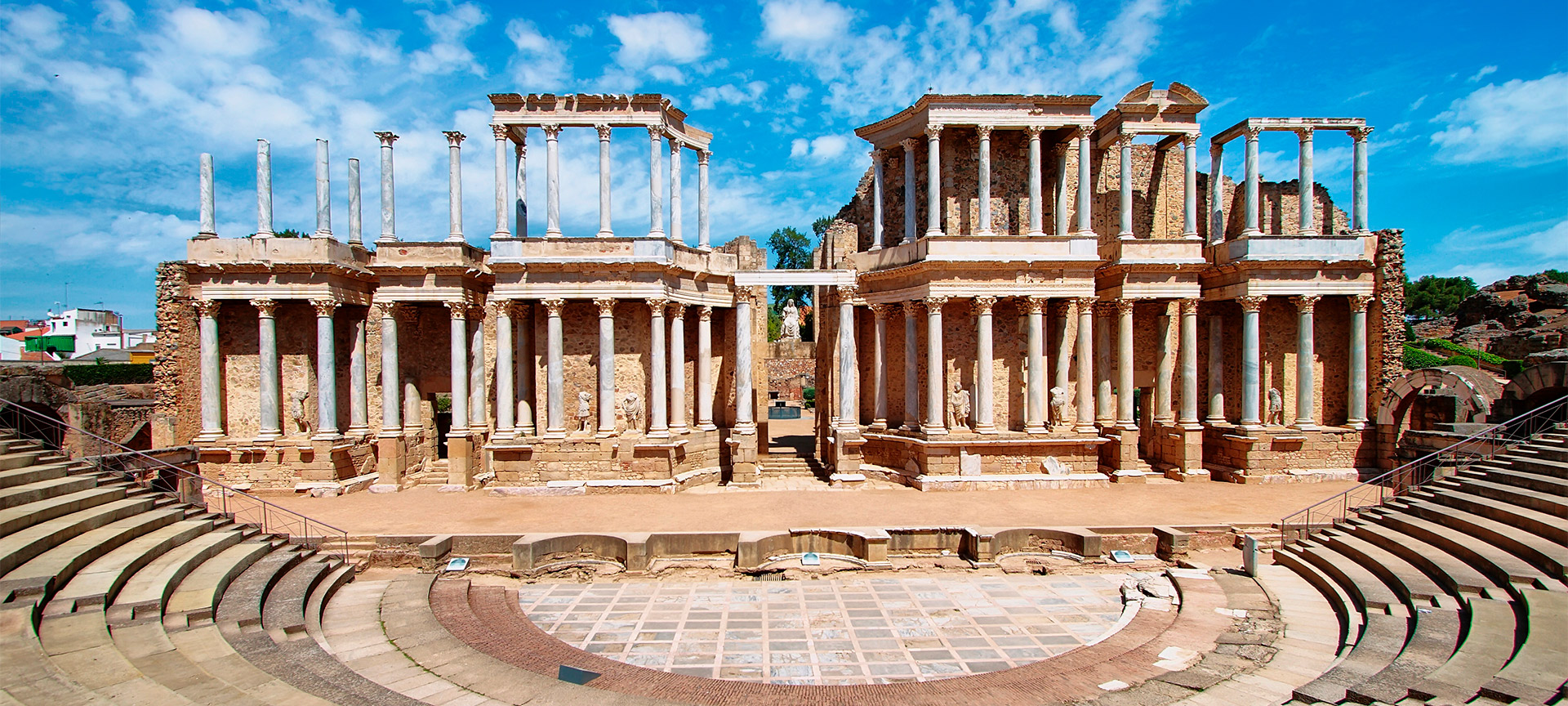
From the 1st to the 19th century, the Silver Route served as the cornerstone upon which new tracks and roads were built; during the Middle Ages, it gained importance through the ‘cañadas’ (drovers' roads), used by the Mesta to move their transhumant herds. For this reason, the Silver Route represents an exceptional historical and artistic legacy, reflecting the art and civilization that flourished along its path - giving rise to cities, circuses, temples, aqueducts, bridges, arches and fortresses - while also fostering the development of rich traditional architecture, folklore and craftsmanship.
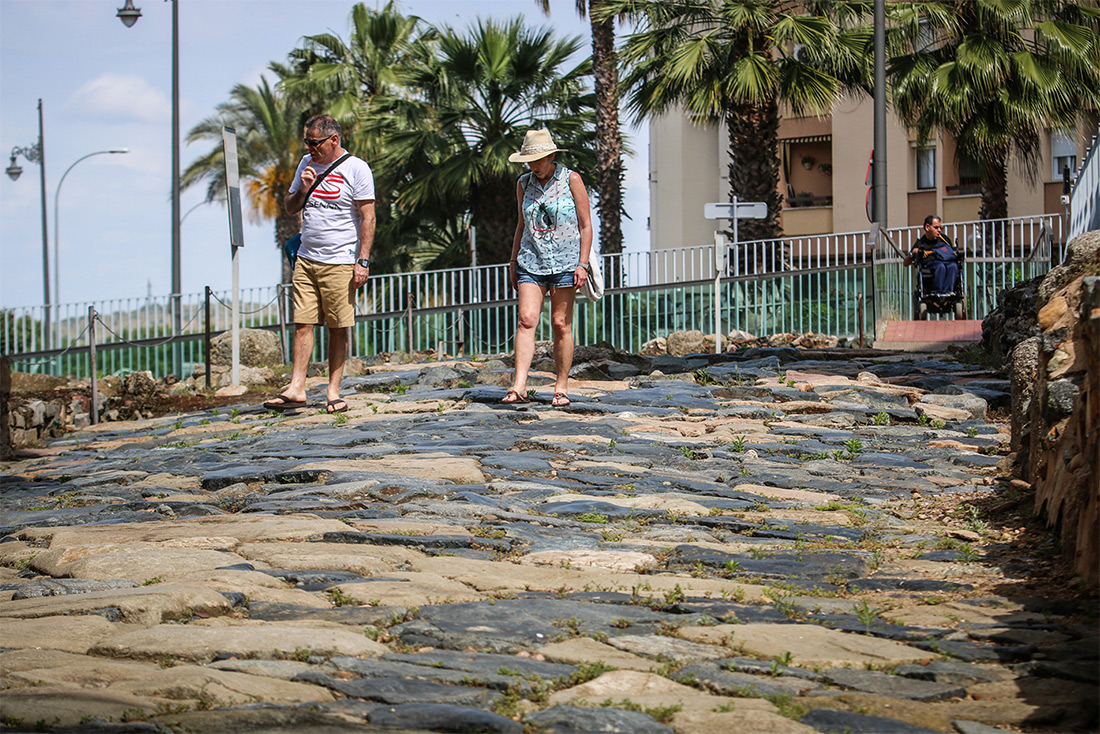
From Seville to Gijón
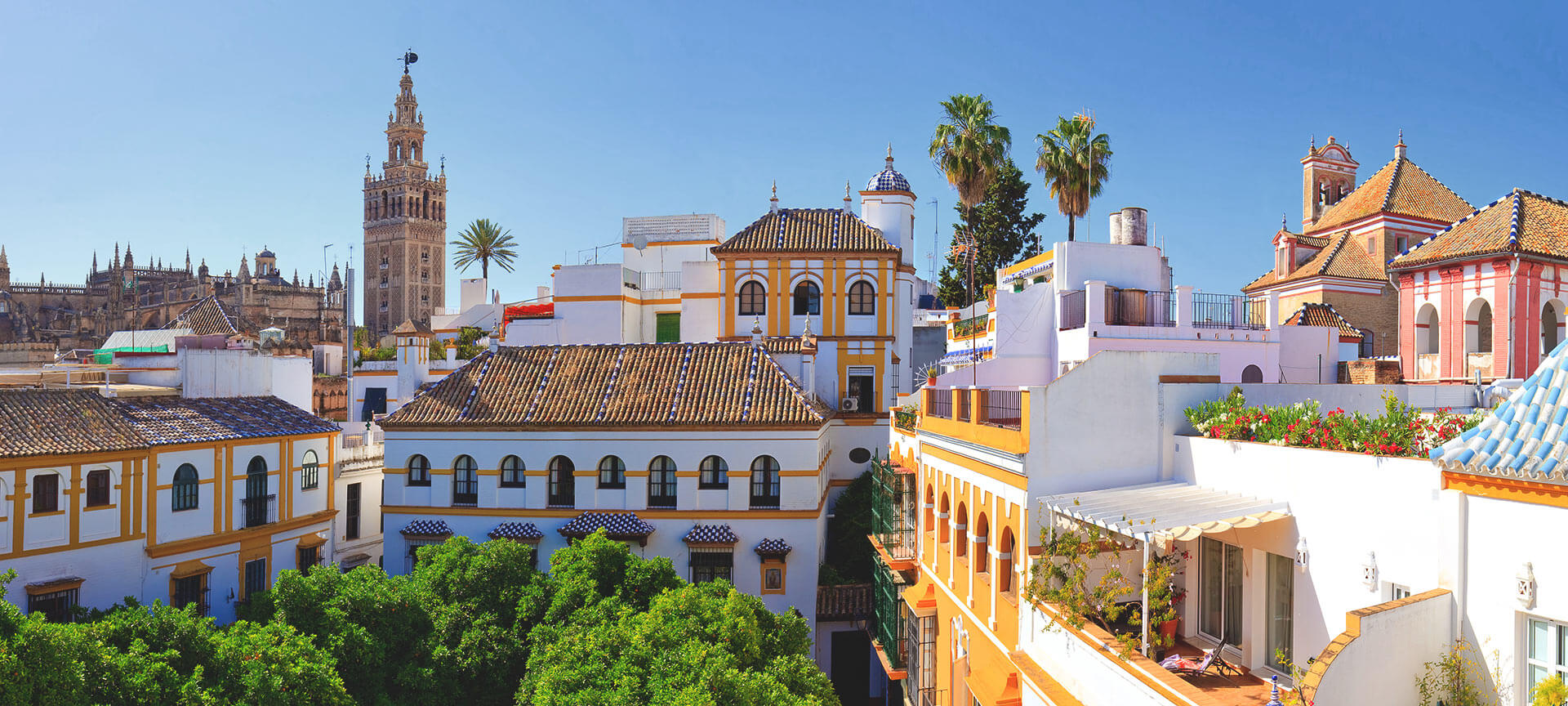
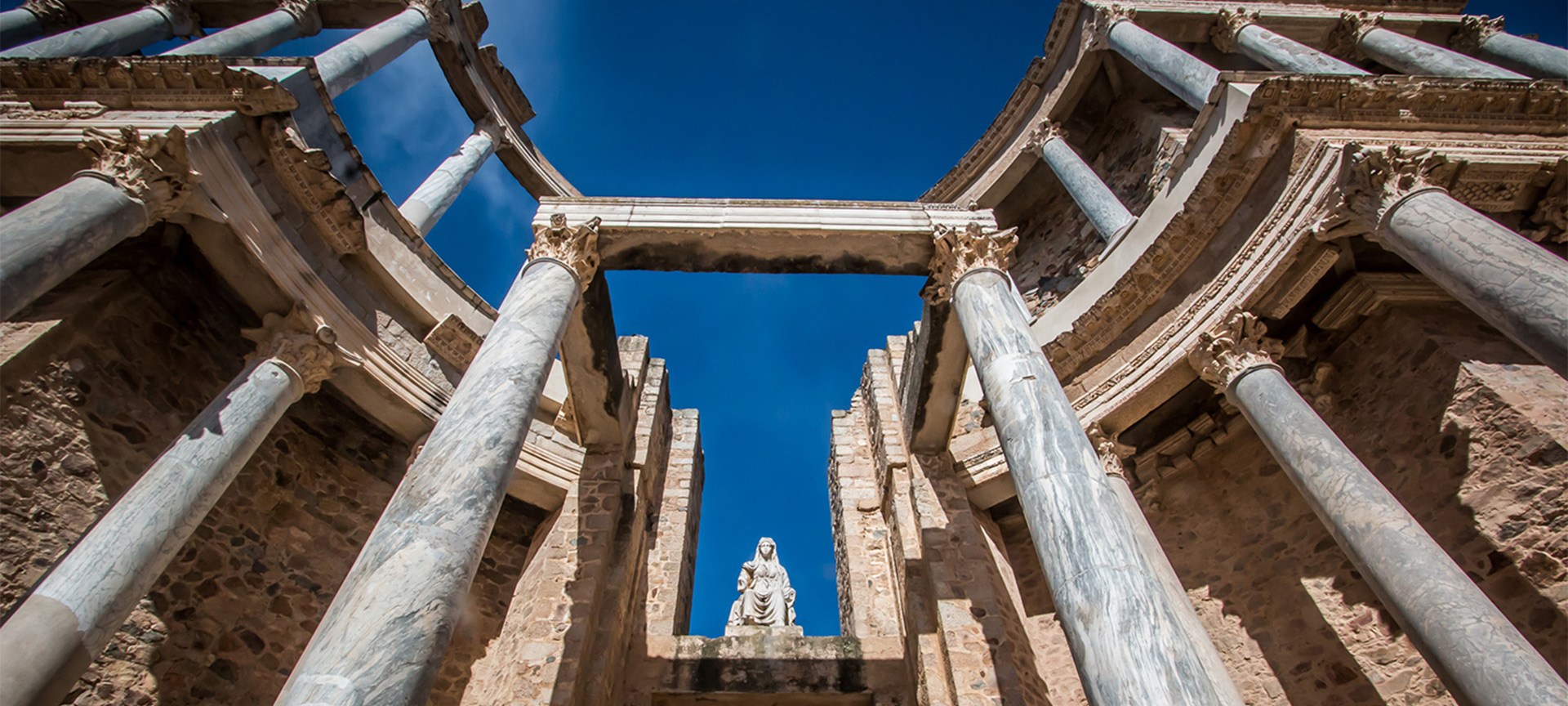
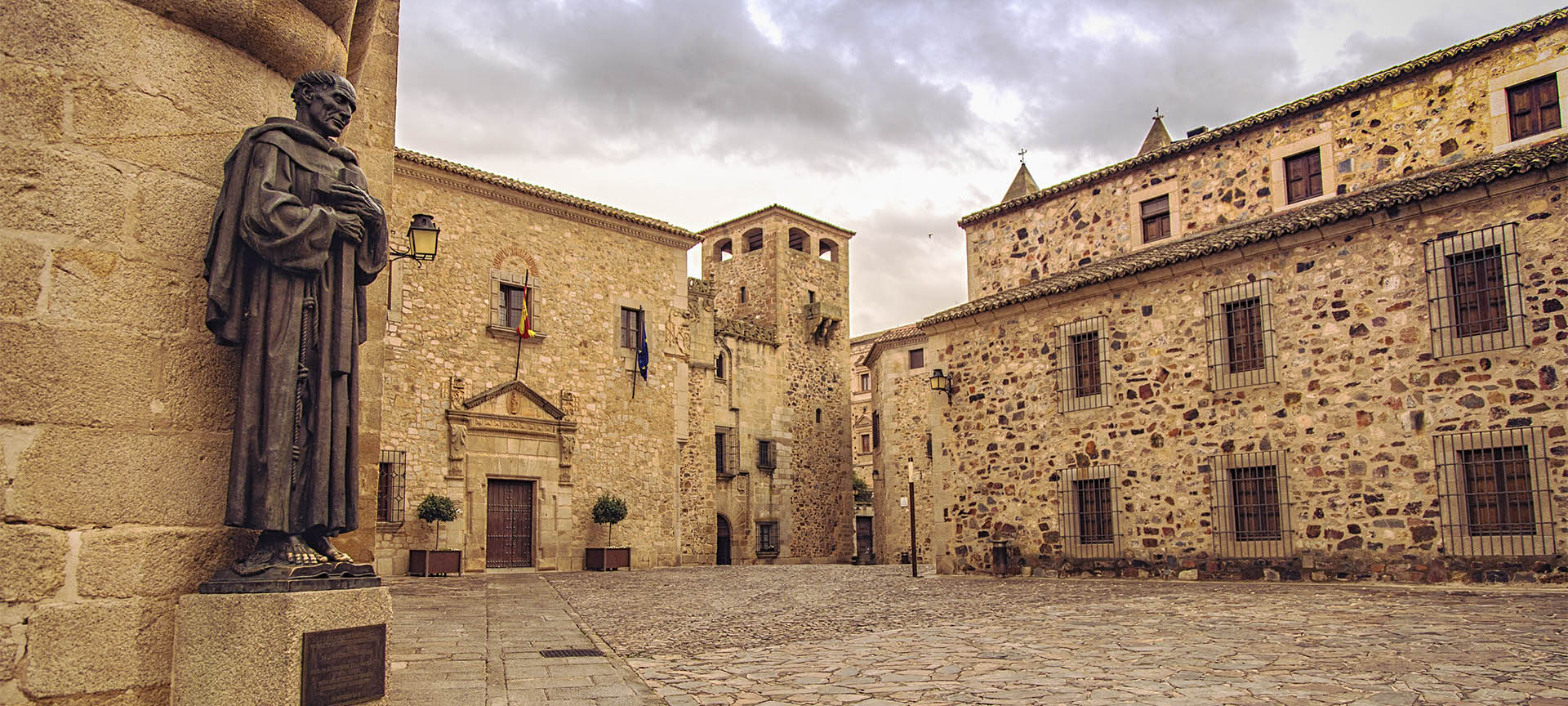
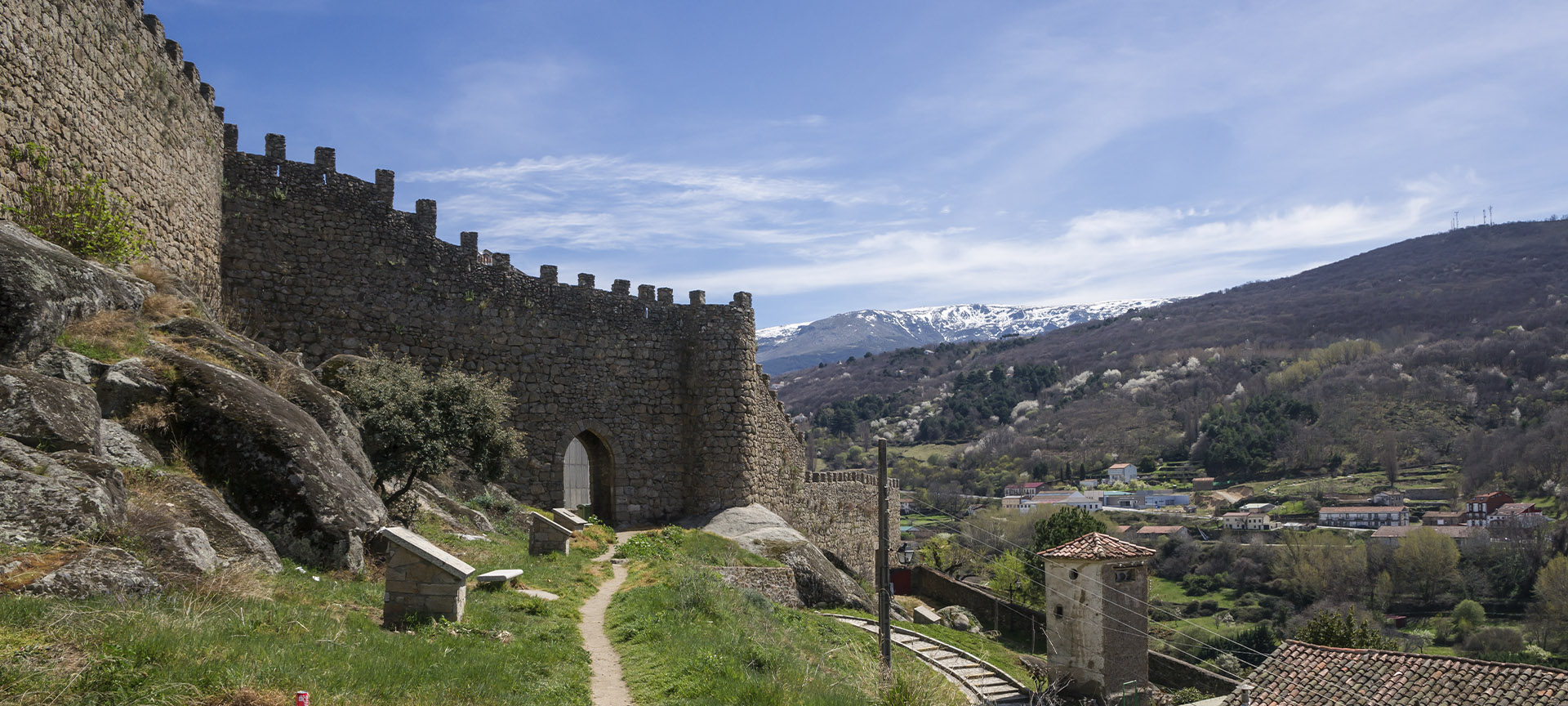
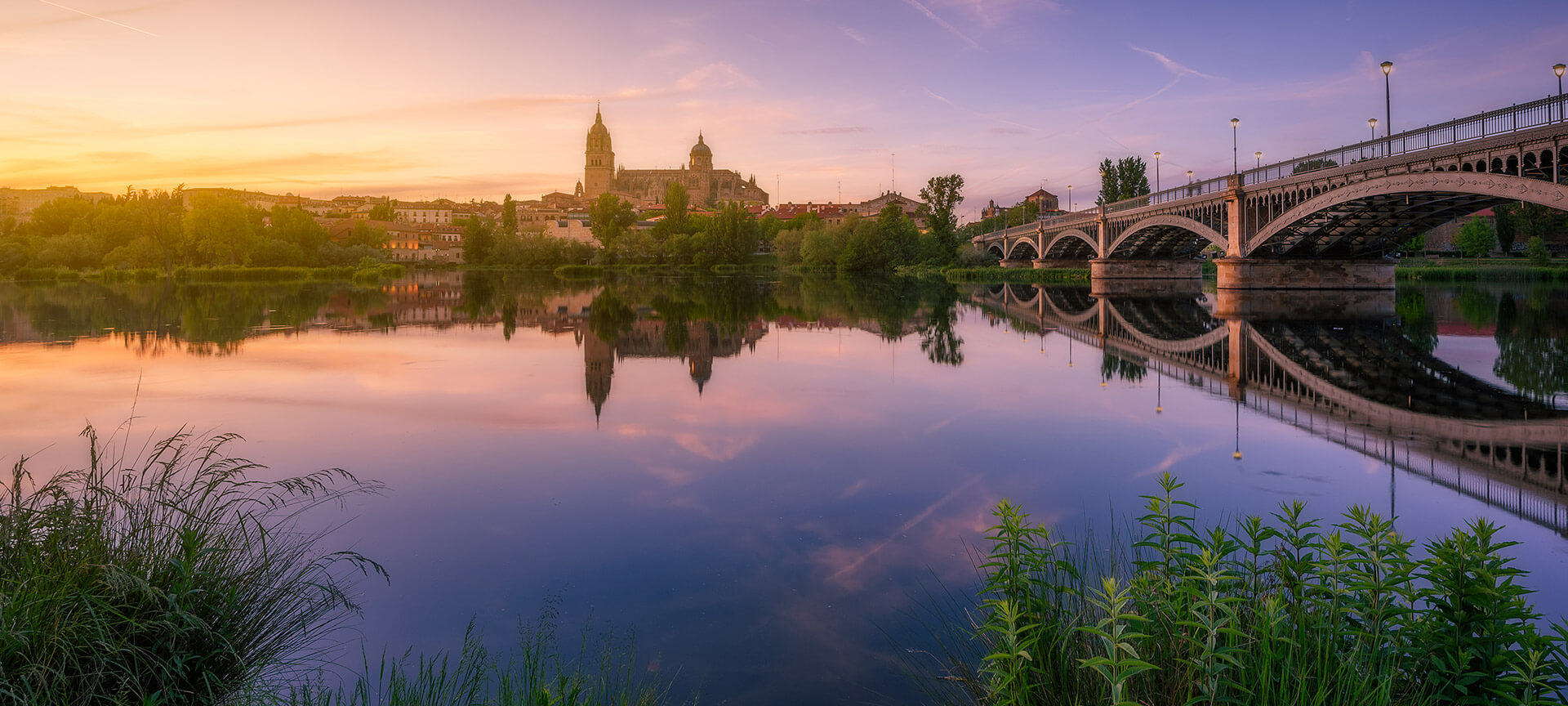
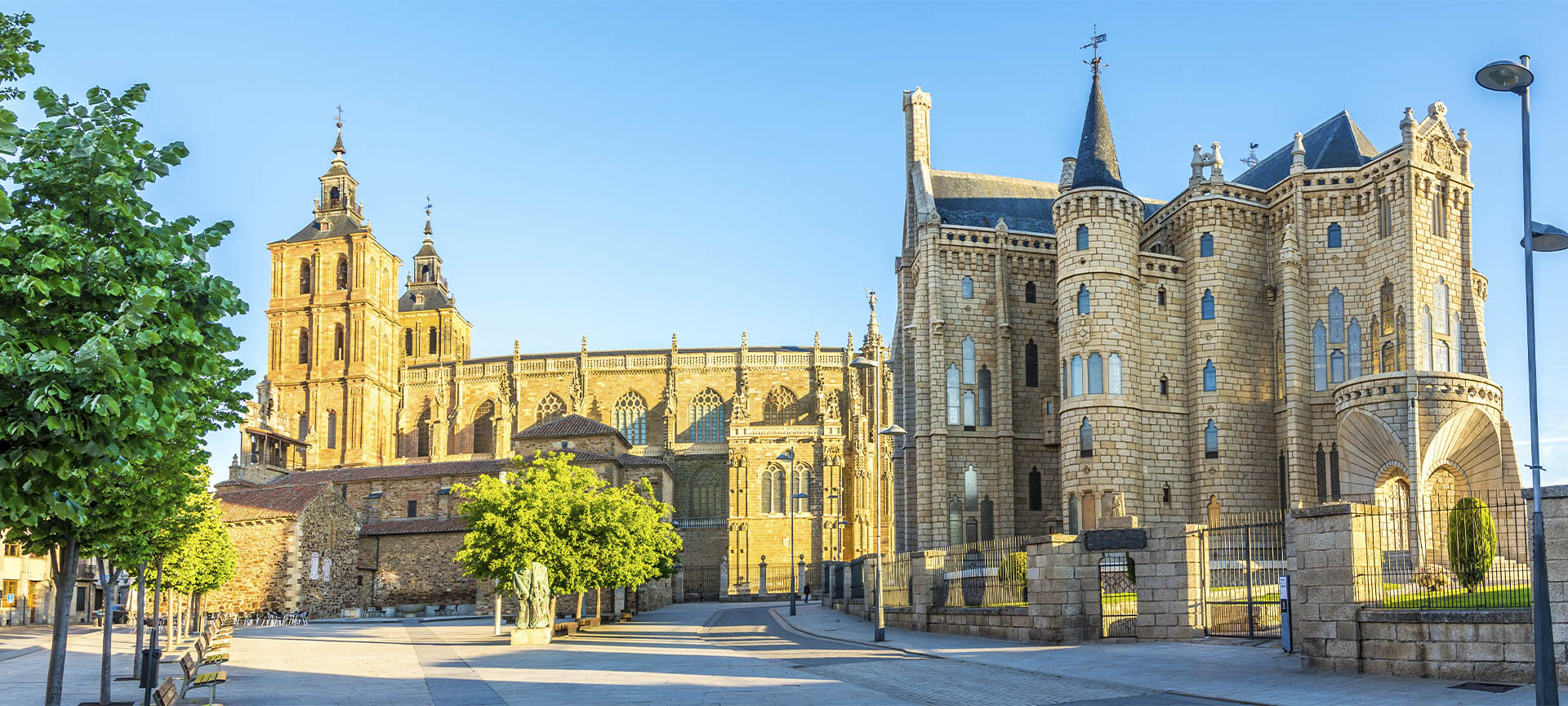
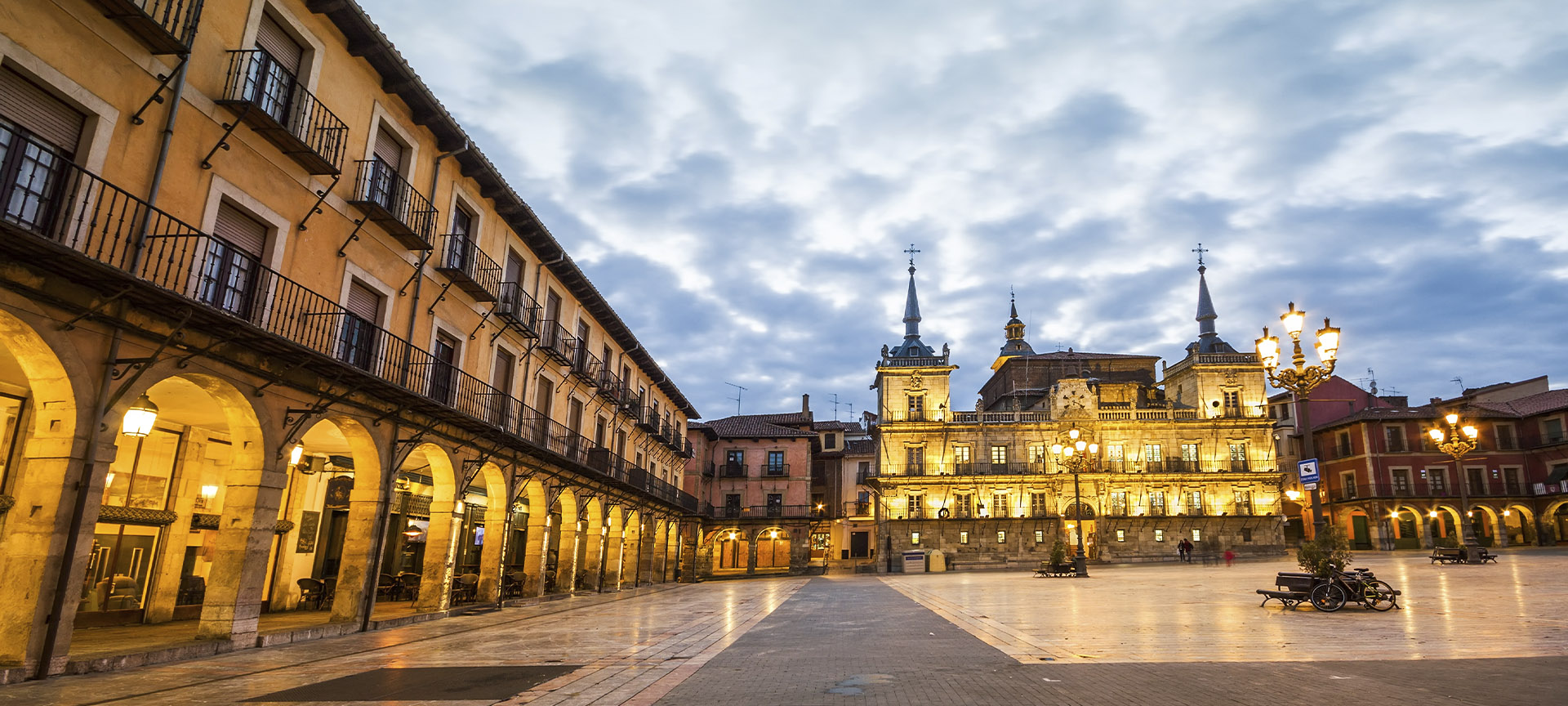
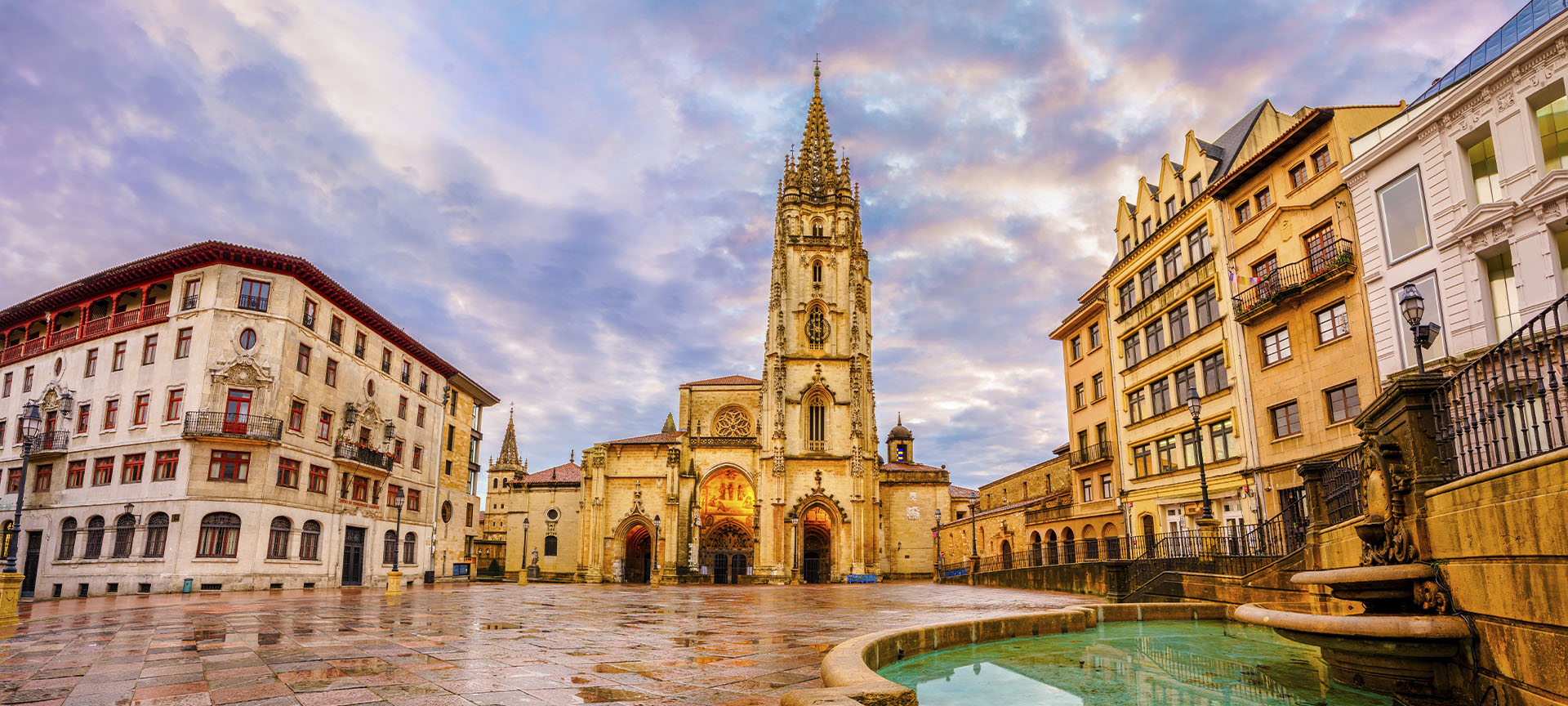
The route begins in Seville, formerly known as Hispalis. From there, passing by the ruins of Italica, an ancient city in Roman Baetica, the route takes us, via Zafra and Almendralejo, to Mérida, known as ‘Hispanic Rome’. Continue on towards Cáceres and Plasencia. Once in the region of Castille and León, the route passes through Béjar and Salamanca. Heading north all the way, we’ll reach Zamora and, passing through fields of grain and lakes, Benavente; and from there, Astorga and León. Campomanes and Pola de Lena are the first landmarks in Asturias that will take us towards Oviedo and Gijón, the final stop on this long journey through 37 municipalities.